Posted on Leave a comment

From Analogue to Digital to Analogue

Digital processes and techniques have always been a part of my practice as I move from analogue to digital and back to analogue.

Digital Prints

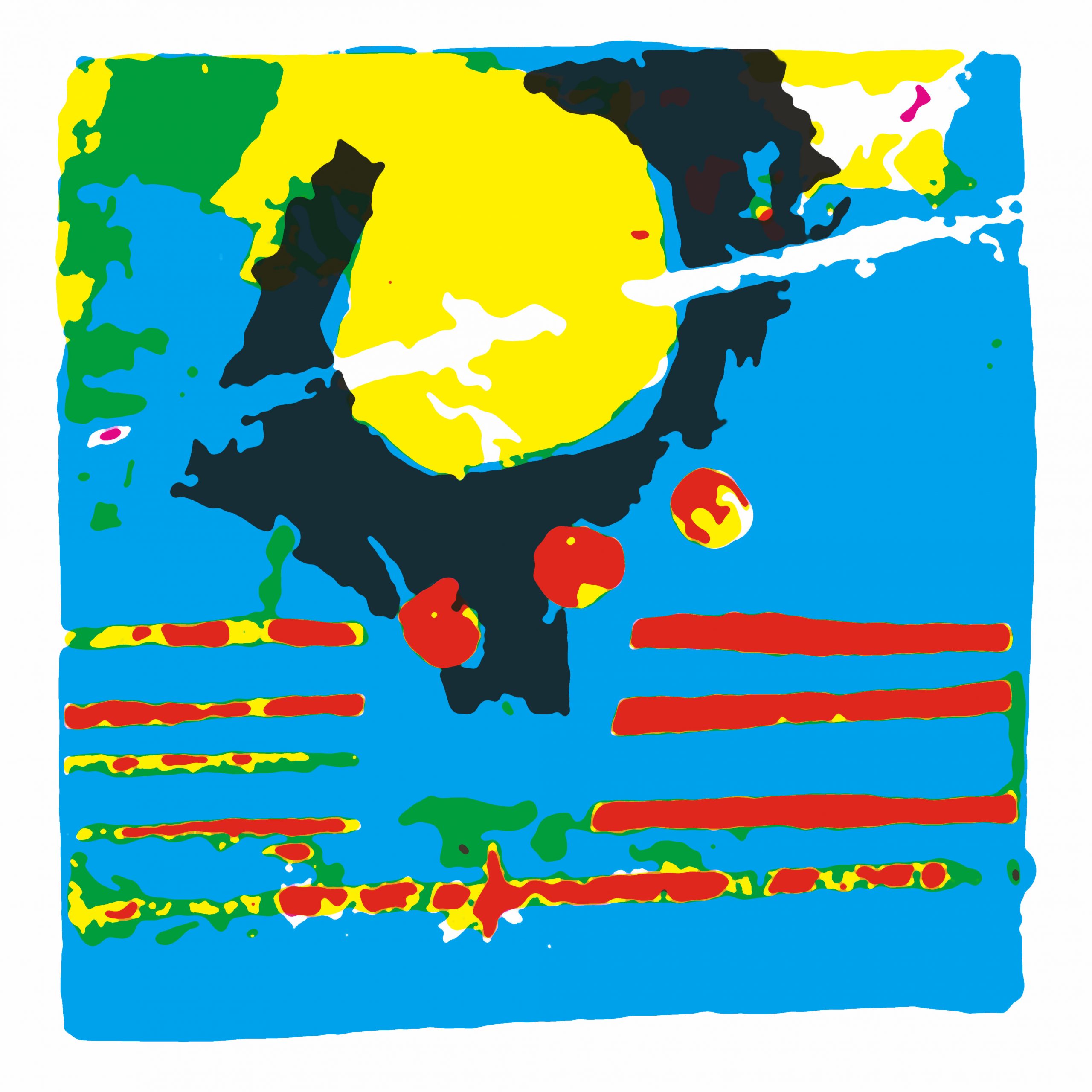
The transition from analogue to digital sometimes places these techniques well to the forefront, as in the digital images I was making when I started printmaking. These used photo-manipulation, filters and plugins, graphics tablets and digital collage to generate the image. Some examples are shown below.

Inky Fingers – Analogue

My first steps into traditional, ‘inky fingers’ printmaking were with collagraph and entirely analogue.

Dales Memories was selected for the Bath Society of Arts Open, while Sarsen Stones was in the Oexmann Open at Devizes Museum.

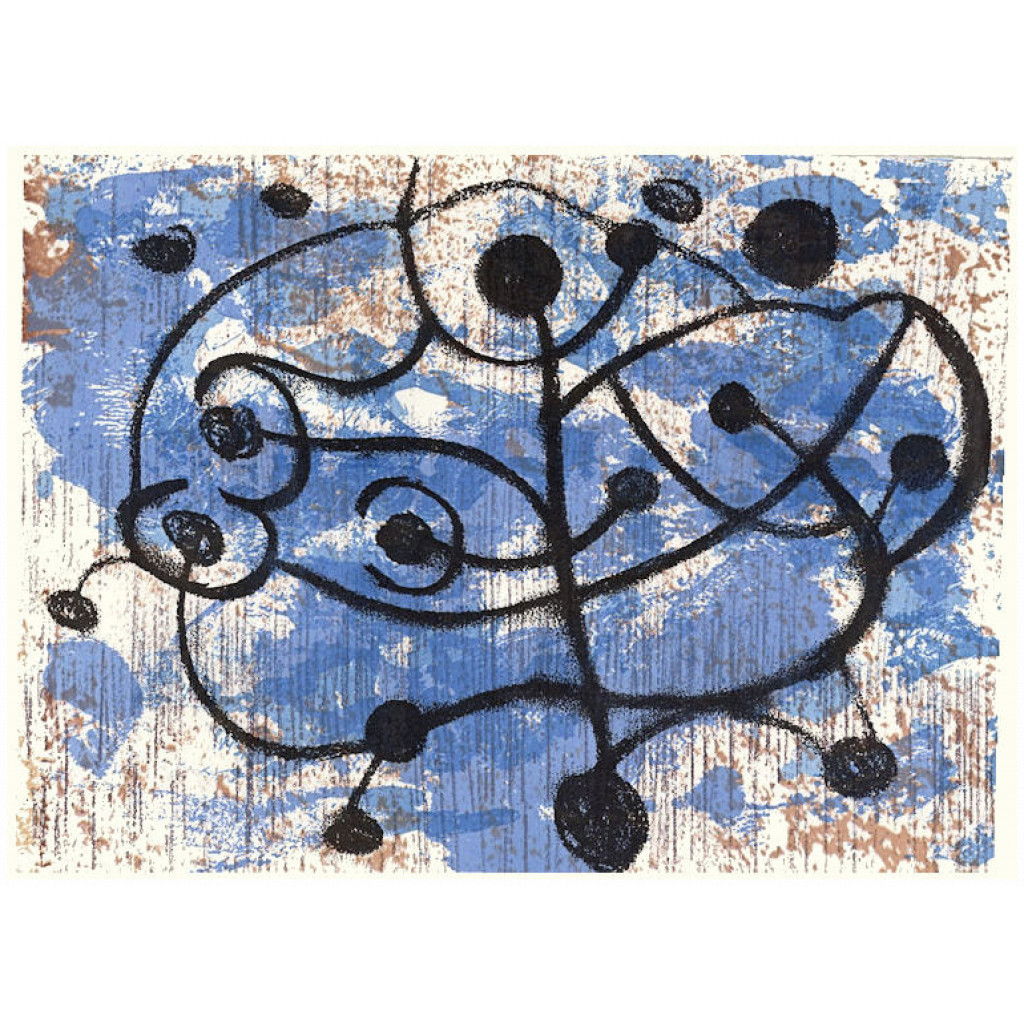
My one and only venture into screen print reintroduced digital elements. Several of the stencils I used to make the screens for this image were created by digital processes.

screen print called Tree of Life
Tree of life, screen print

At different times I also made monoprints, drypoint and collage

Mixing things up – analogue and digital

Around this time I began to have health issues which limited the time I could stand at the press. Screen printing especially was very stressful. Searching for something I could do seated, I eventually stumbled on gel printing.

At an early stage I began using digital processes to create stencils for gel printing, using a Cricut digital cutter. I began by using rough drawings in a process described in this post. Another post looked at ways to generate abstract shapes to be used as stencils.

Another bout of ill health kept me out of the studio entirely so I returned to digital printmaking. I began to explore ways to use my existing monotypes, not as images, but as data to create new digital prints. I described this process in here.

In an extension of the process used to create digital prints, I have now produced some Risograph prints. Even these are not straight reproductions, since process colours (CMYK) are not available for RISO printers. I will cover that process in another post to follow.

Posted on Leave a comment

Playing with digital images again

Photographs of the iconic 'Get Carter' car park in Gateshead, before demolition

I came into printmaking via digital images and still use digital tools, for example to make stencils, as I have described in various posts here. When I can’t get into my studio, whether lack of time, or more recently health issues again, I also like to play with my software of choice, Paint Shop Pro, to make digital prints. These may or may not end up n the shop, my main reason for making them is simply to keep my creative eye in practice.

These are two of the latest such prints, both monochromatic, both and made from some old photos of mine of the now demolished ‘Get Carter’ shopping centre in Gateshead. The main image is one of the source files. It was pretty much abandoned when I took them, and I was vaguely aiming for the same grey dystopic feel. The first of these seems to capture that feeling quite well.

Digital print entitled Dystopia, with grainy indistinct buildings in the background and on the left a sigh saying PARKIN without the G, aligned vertically
Dystopia 1

Working on the second digital image, however, it decided to take a different path. Instead of a brutalist buildings, I saw not architecture but some sort of engineering structure, floating in space. This may have come via the TV series, ‘The Expanse’. Then I noticed a round white shape with what looked a bit like an outstretched arm, and out of that came the title, ‘Space Walk’. I’ve added a detail below in case I’m seeing things…

Digital image showing what appears to be a tangle of engineering structures in a harsh light against a dark, star-studded background with a figure in what looks like a white space suit clinging to the structure about halfway down on the left
Space Walk
detail from the previous image showing the apparent figure with helmet and outstretched arm
Space walk – detail

I love the smoky, grainy aspect of both these digital images and think they would work well as photopolymer etchings. That’s certainly something I intend to try.